Fat Grafting (Fat Transfer)

Fat grafting transfers the patient's own fat - harvested via liposuction from a donor area - to areas needing volume restoration or contour improvement.

Common recipient sites include the face, breasts, buttocks, and hands. Because it is your own tissue, the risk of rejection or allergic reaction is near to zero.

The donor site benefits from simultaneous slimming. Approximately 60-80% of transferred fat integrates permanently.
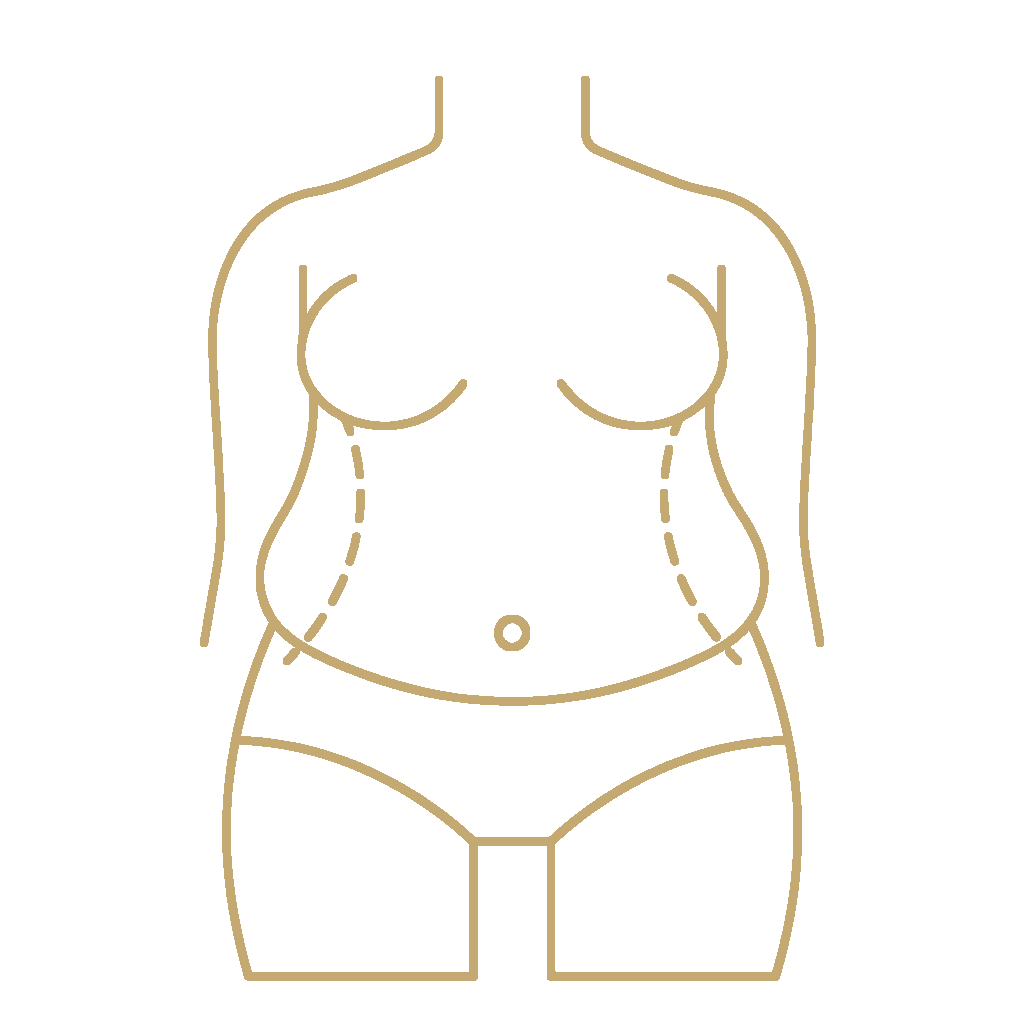
Fat Grafting (Fat Transfer) - procedure illustration

Who is it for?

  • Want volume restoration or contour improvement in the face, breasts, buttocks, or hands.
  • Sufficient donor fat in the abdomen, flanks, or thighs.
  • At or near a stable weight - significant weight changes after surgery affect results.
  • Good general health, a non-smoker, with realistic expectations.
  • Prefer using your own tissue rather than synthetic implants or fillers.

Frequently Asked Questions

How is fat harvested and transferred?

  • Fat is removed from a donor area (abdomen, flanks, or thighs) using gentle liposuction.
  • It is then processed and purified before being carefully re-injected in small amounts into the target area to maximise fat survival.

How long do fat grafting results last?

  • Approximately 60-80% of transferred fat establishes a permanent blood supply and remains long-term.
  • Some initial volume loss in the first 3-6 months is expected.
  • Touch-up sessions can be performed if desired.

Where can fat be transferred?

  • Face (temples, cheeks, under-eye hollows), breasts (natural augmentation), buttocks (Brazilian Butt Lift), hands (volume restoration), and any areas with contour irregularity.

Is fat grafting safe?

  • Yes. Using your own fat eliminates rejection and allergic reaction risk.
  • When performed by an experienced surgeon, it is a low-risk procedure with natural-looking, long-lasting results.

How is fat grafting different from dermal fillers?

  • Fat grafting uses natural tissue and results are permanent (in the integrated portion).
  • Dermal fillers use synthetic materials and are temporary (lasting months to 1-2 years depending on the product).

What is the recovery timeline?

  • First week: Soreness and swelling at both donor and recipient sites. Compression garment over the donor site.
  • 1-2 weeks: Light activity and most desk work resume.
  • 4-6 weeks: Avoid strenuous exercise; continue compression garment as advised.
  • 3-6 months: Some initial volume loss as fat establishes blood supply; final volume becomes apparent.
  • Touch-up sessions can be planned later if more volume is desired.

Got more doubts?
We got you.

Our team is here to help with any questions about this procedure.

Reach out to us

Disclaimer: The content published on this website is for creating awareness and educating purposes only. This shall not be considered as a substitute for professional advice or prescription. The results mentioned on the website may vary from person to person as each case is different.

1